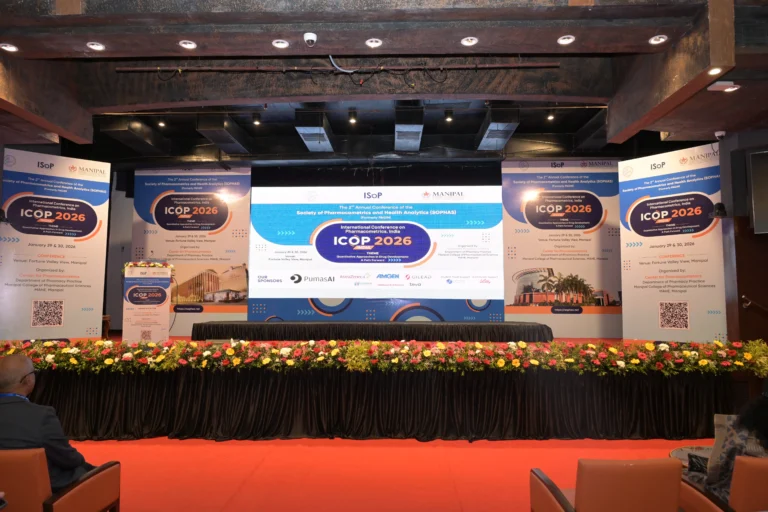
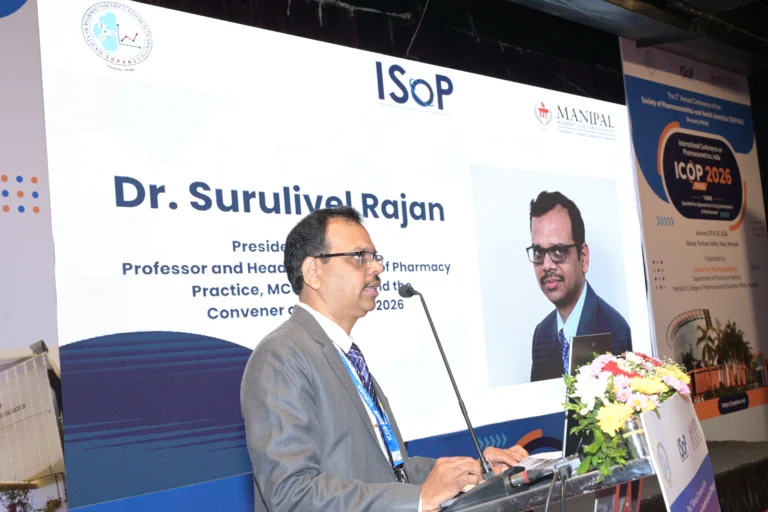
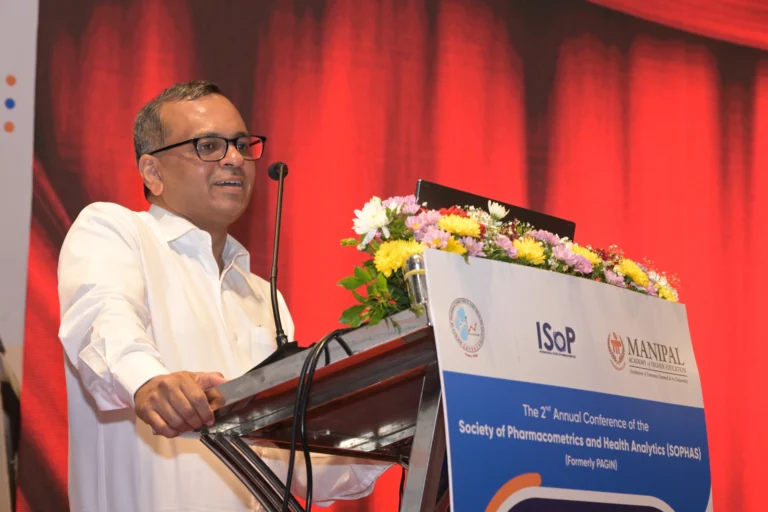
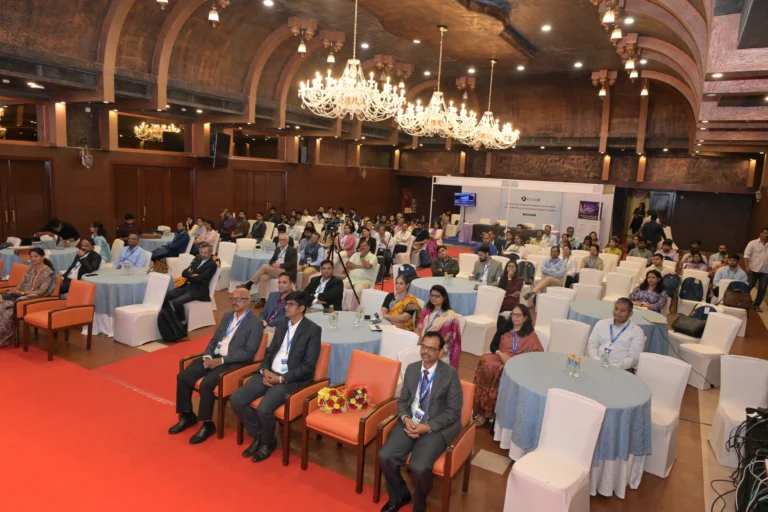
ICoP India 2026 - Highlights

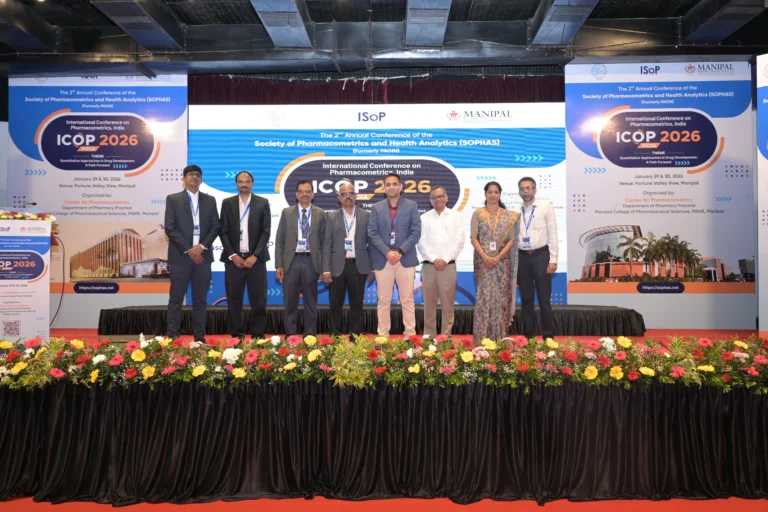
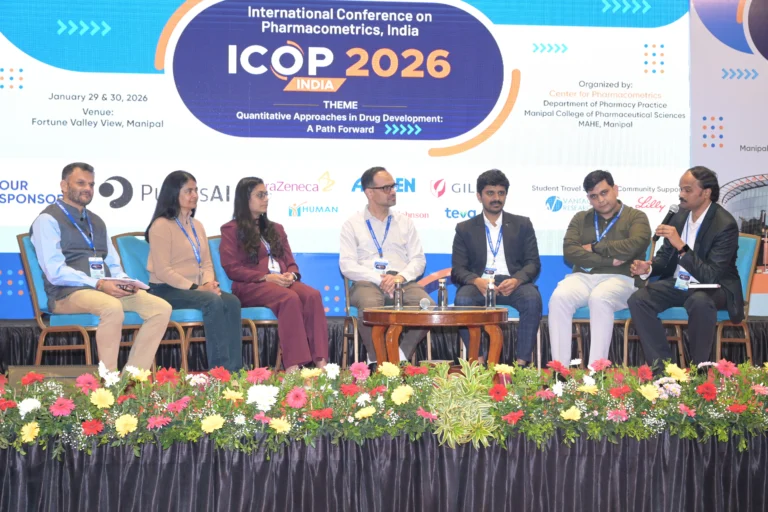
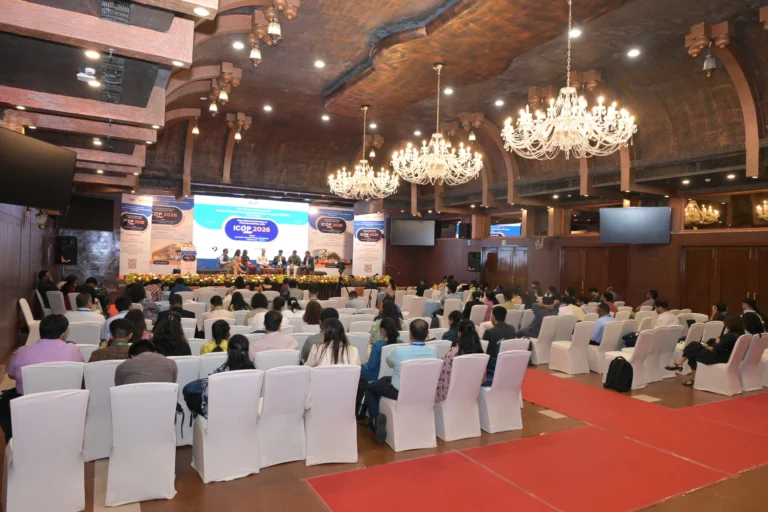
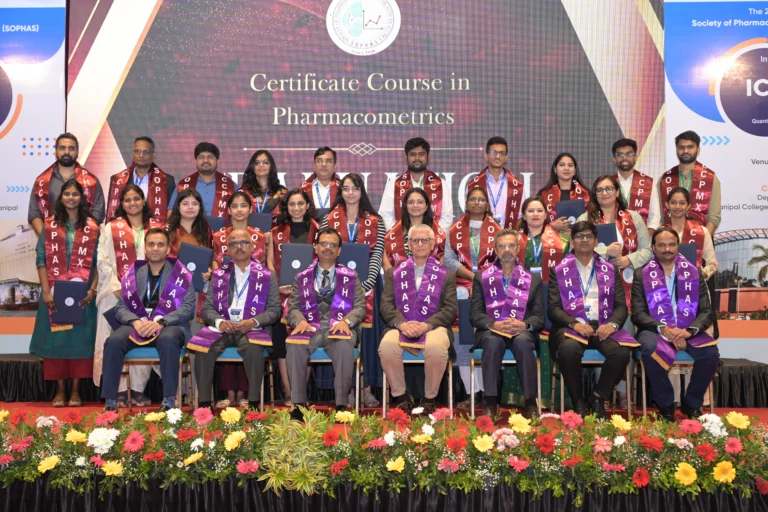
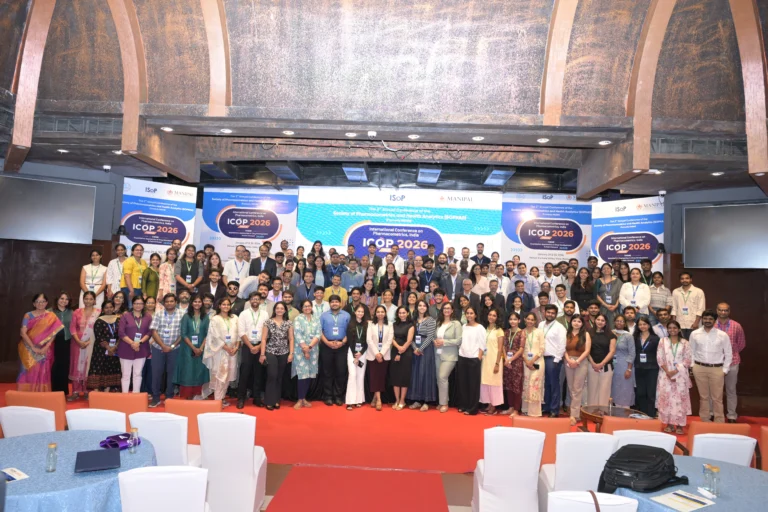
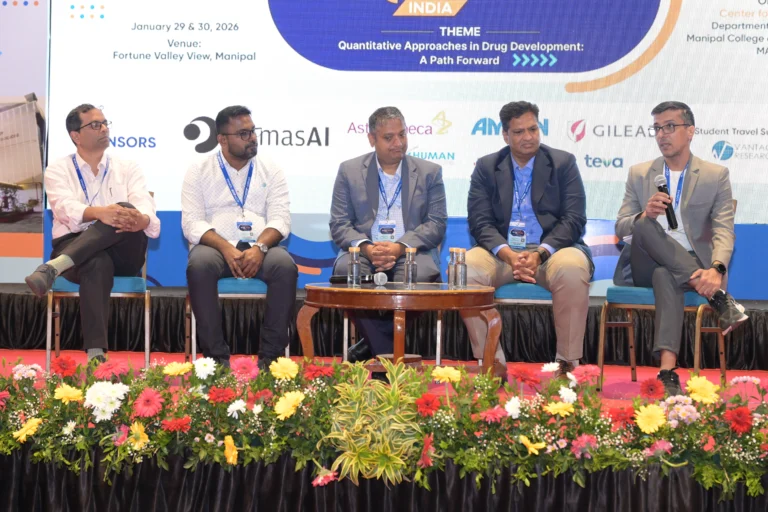
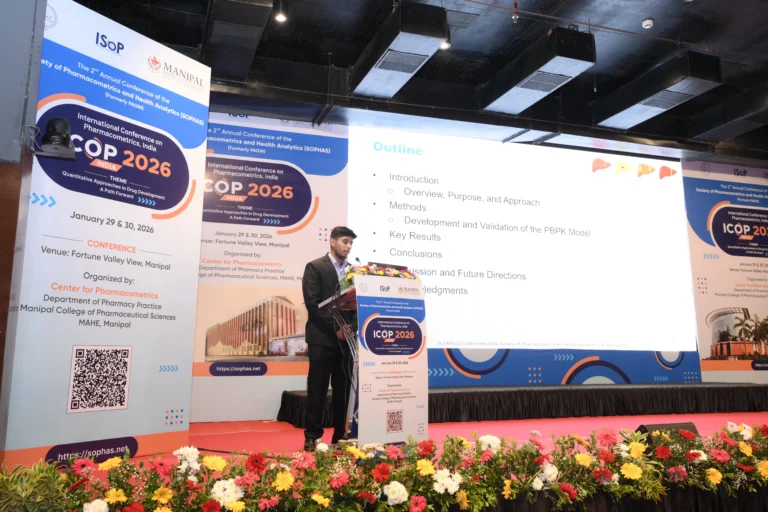
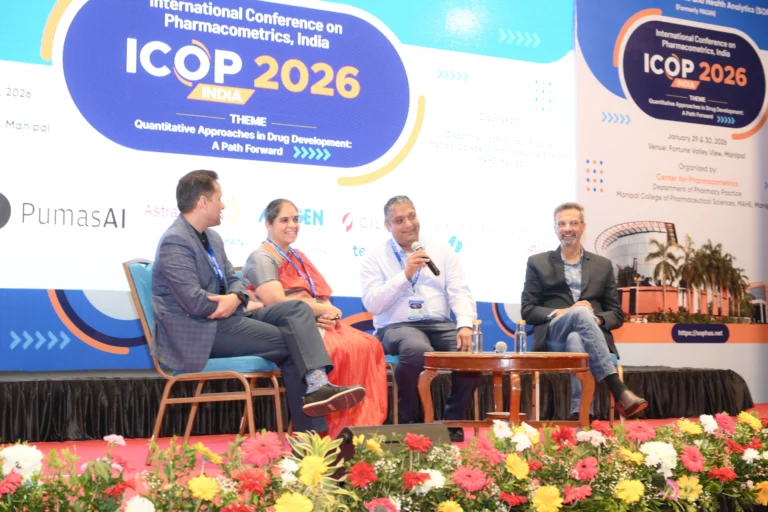
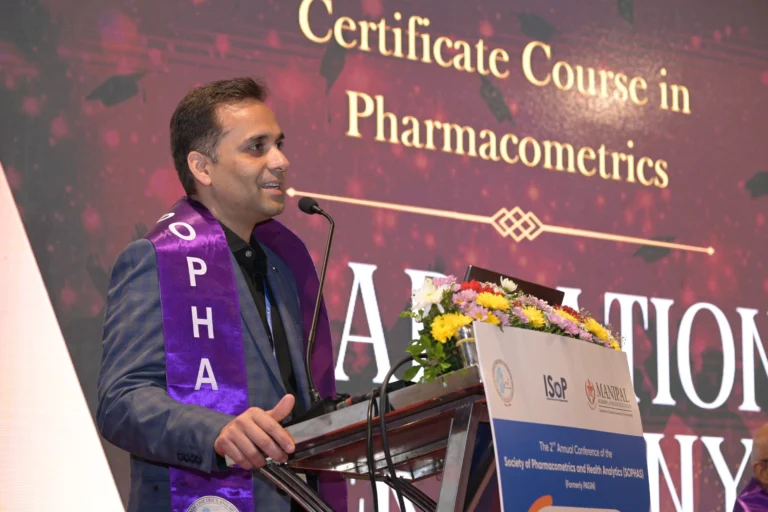
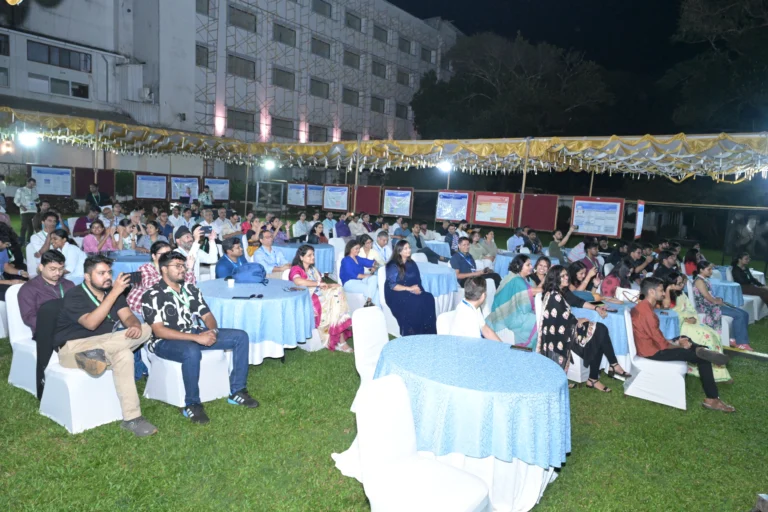
ICoP India 2026 brought together a global community of scientists, researchers, and innovators in the field of pharmacometrics.

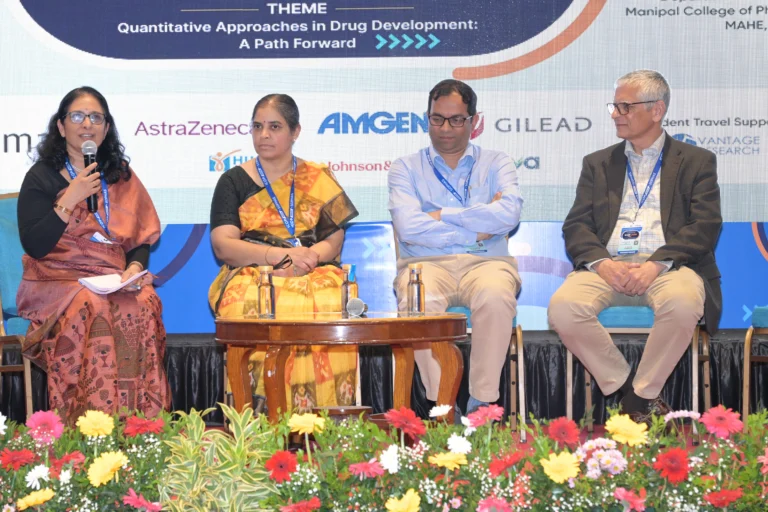
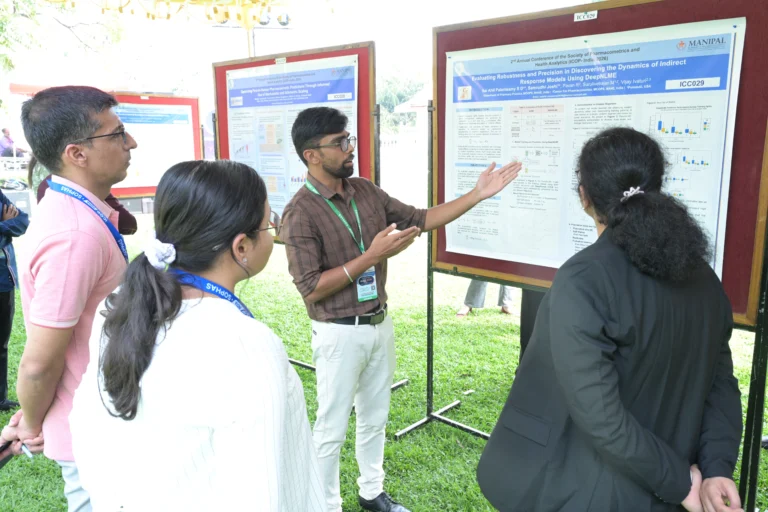
The conference featured groundbreaking sessions, collaborative workshops, and vibrant community engagement across four dynamic days.

Participation Figures

Registrations
0 +
Organization Represented
0 +
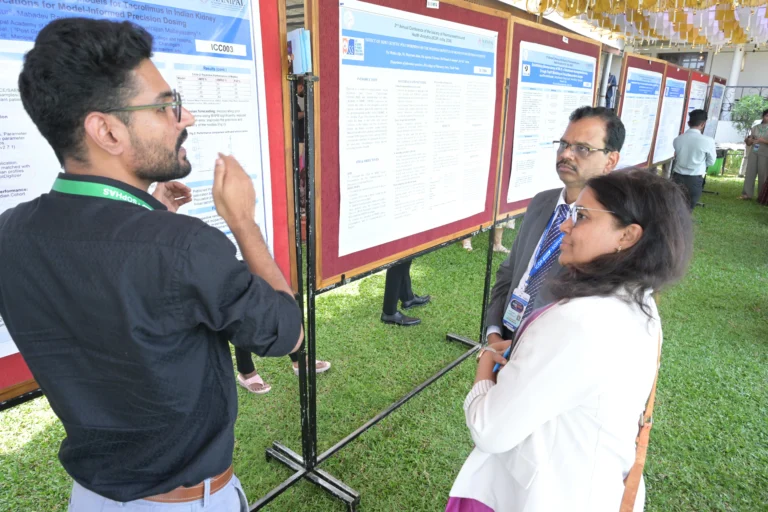
Poster Presentations
0 +
National & International Speakers
0 +
Oral Presentations
0 +
Hands-on Workshops
0 +

Speakers & Topics

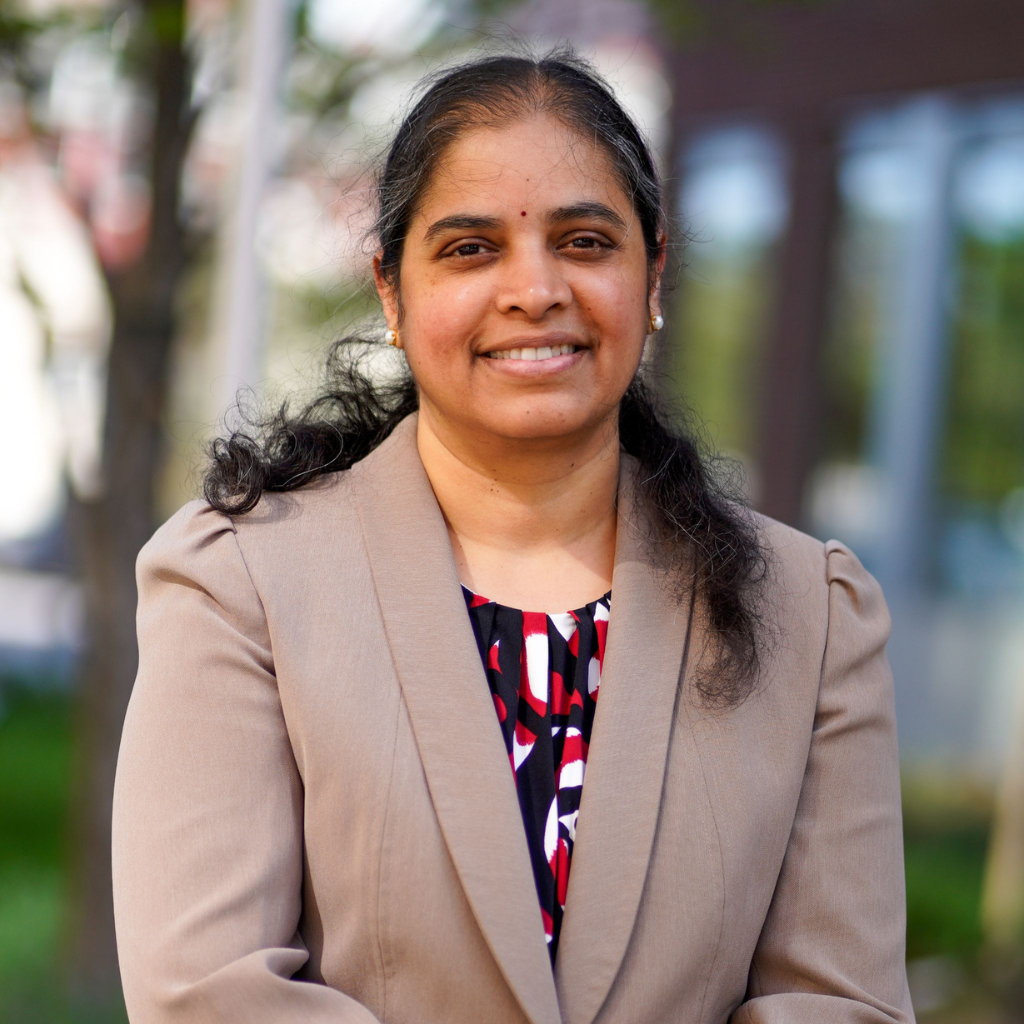
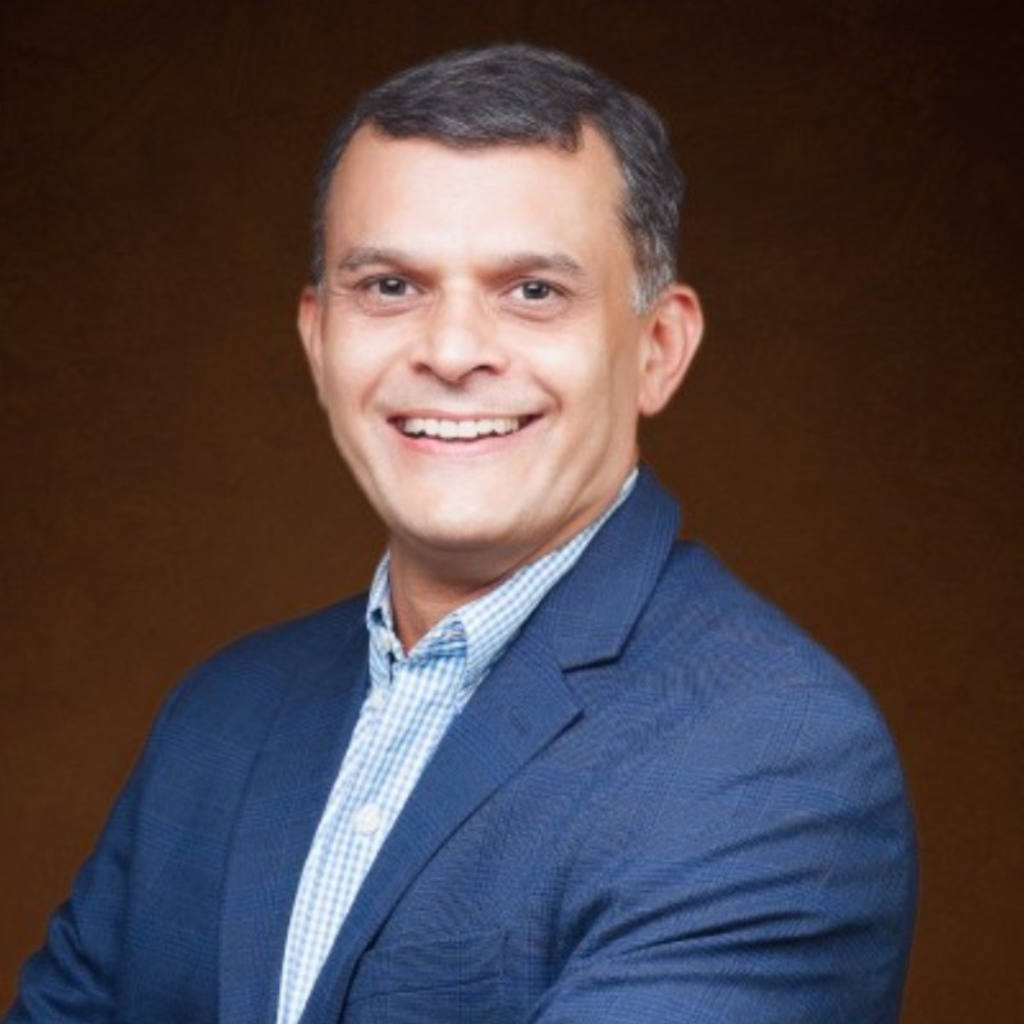
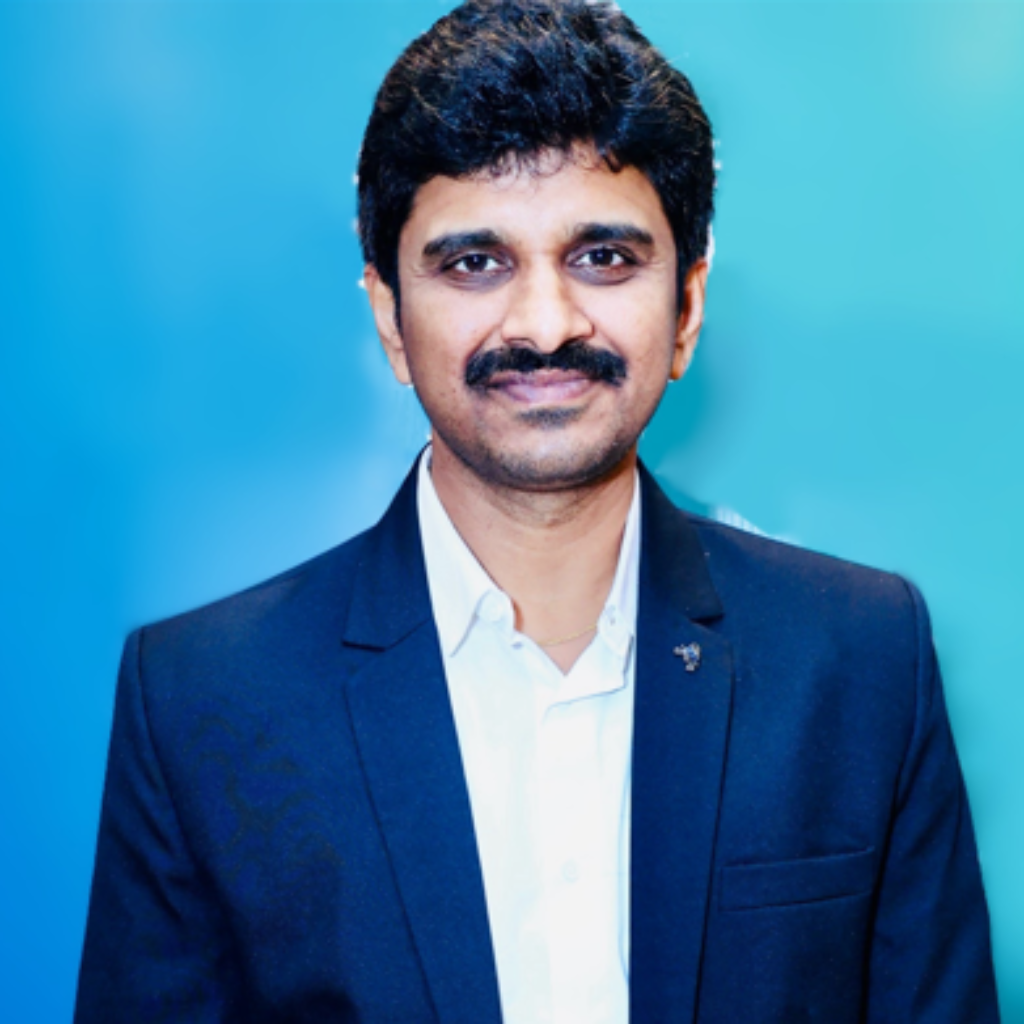
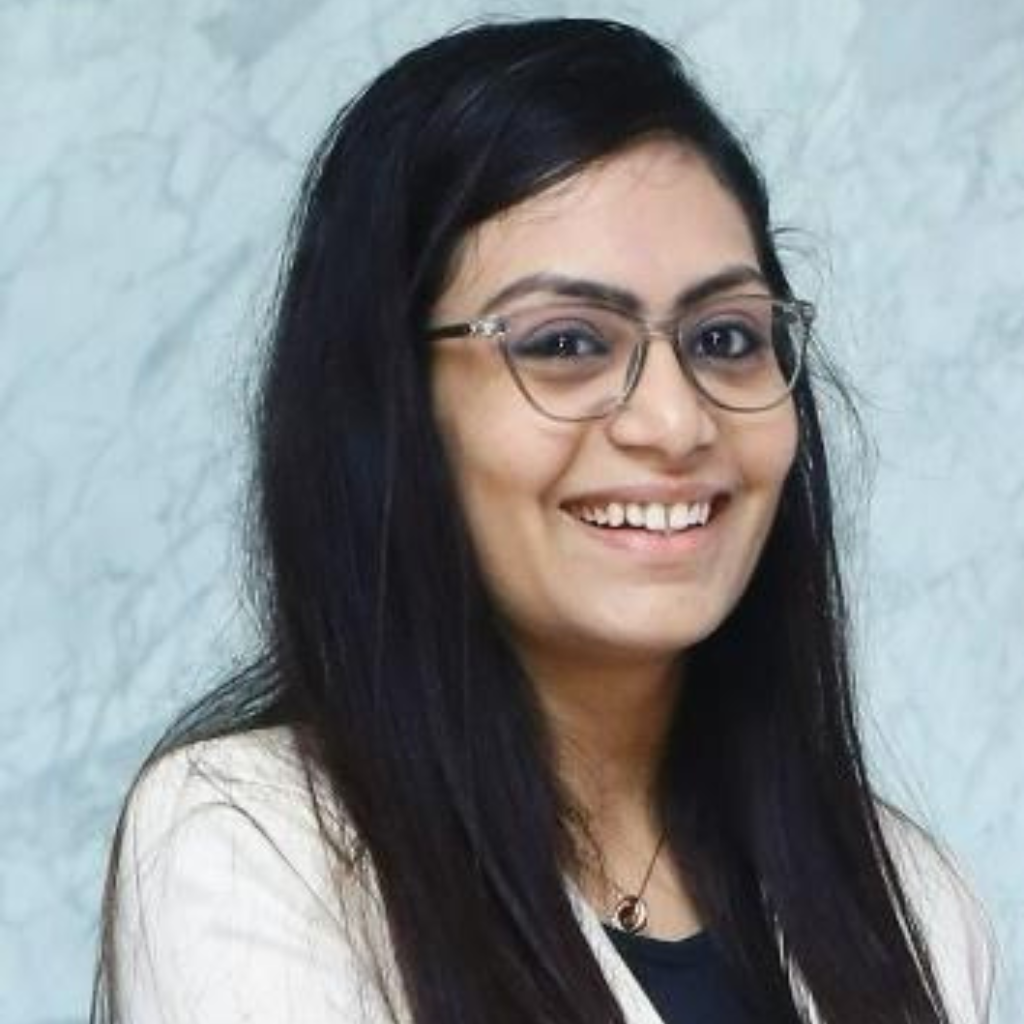
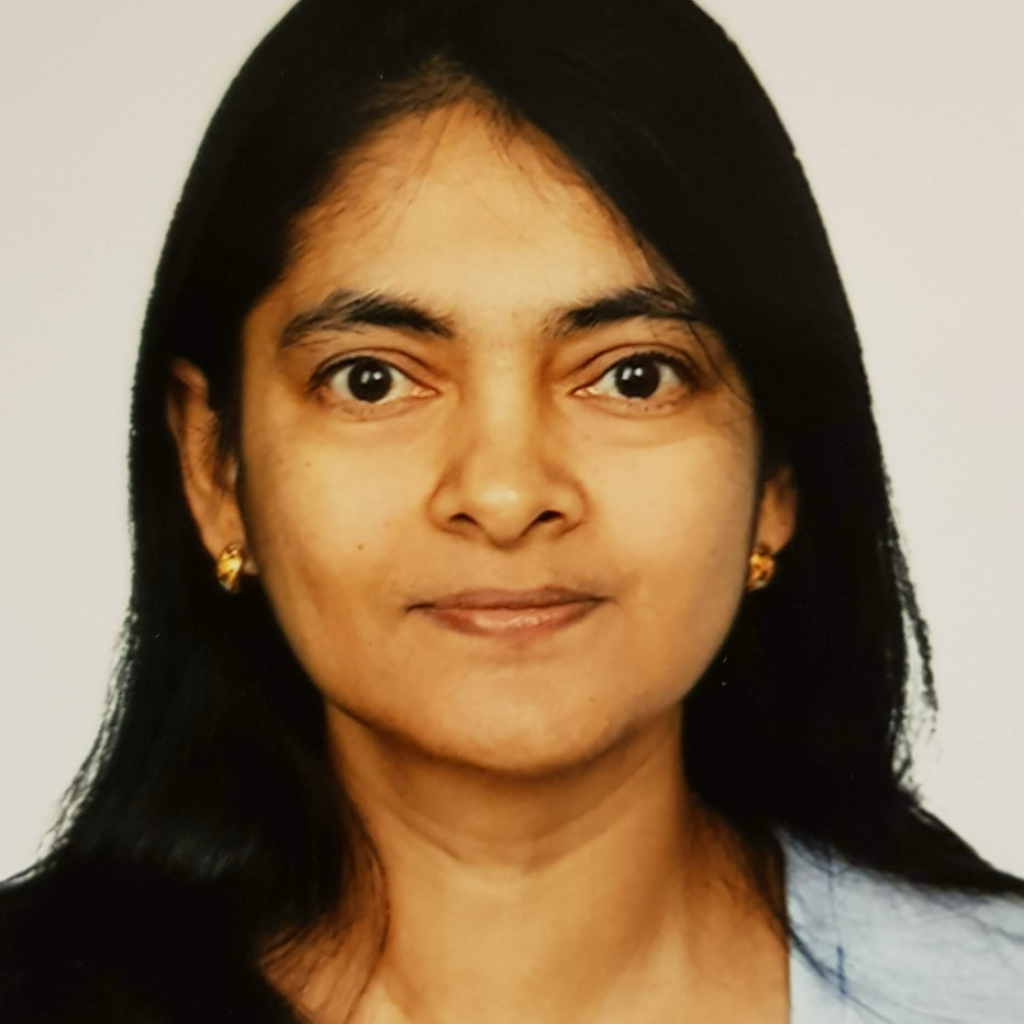
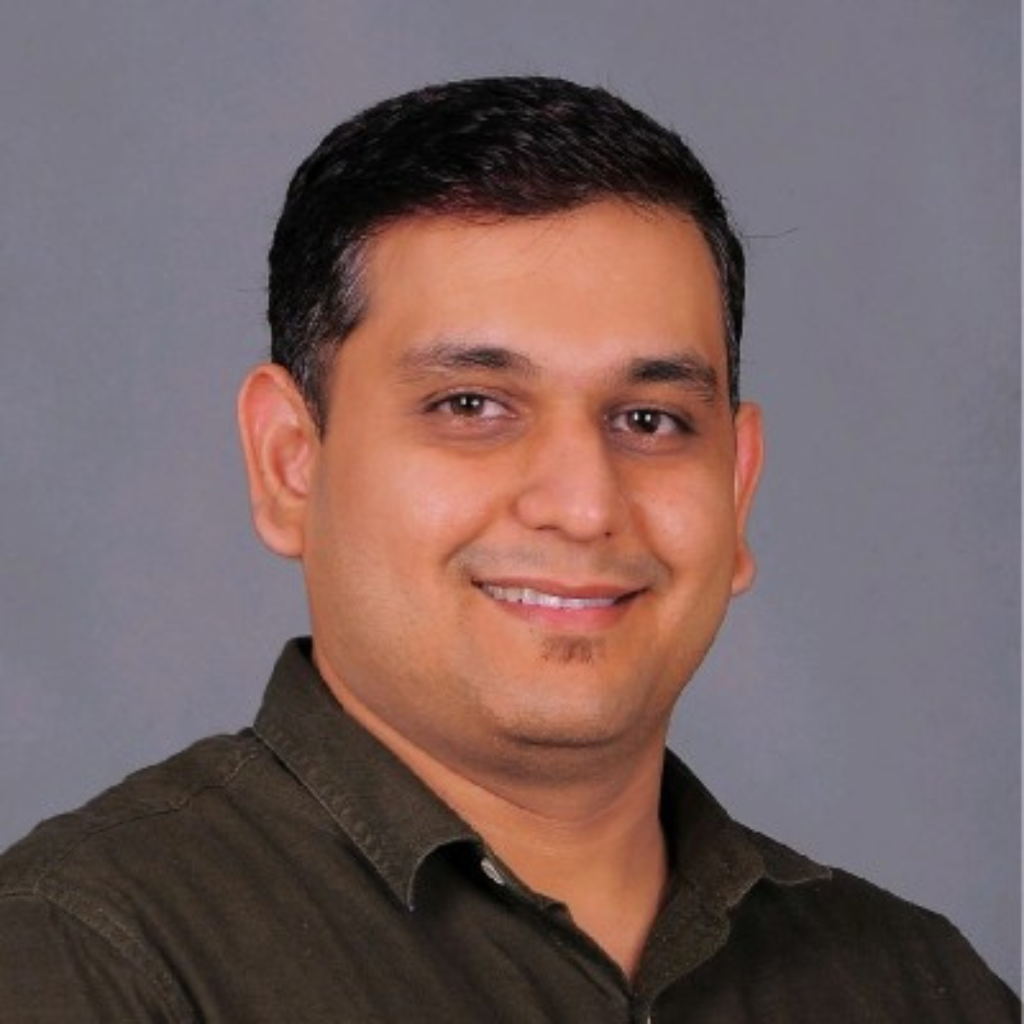
Dr. Rama Sivasubramanian

Director - R&D, Teva Pharmaceuticals, Maharashtra, India

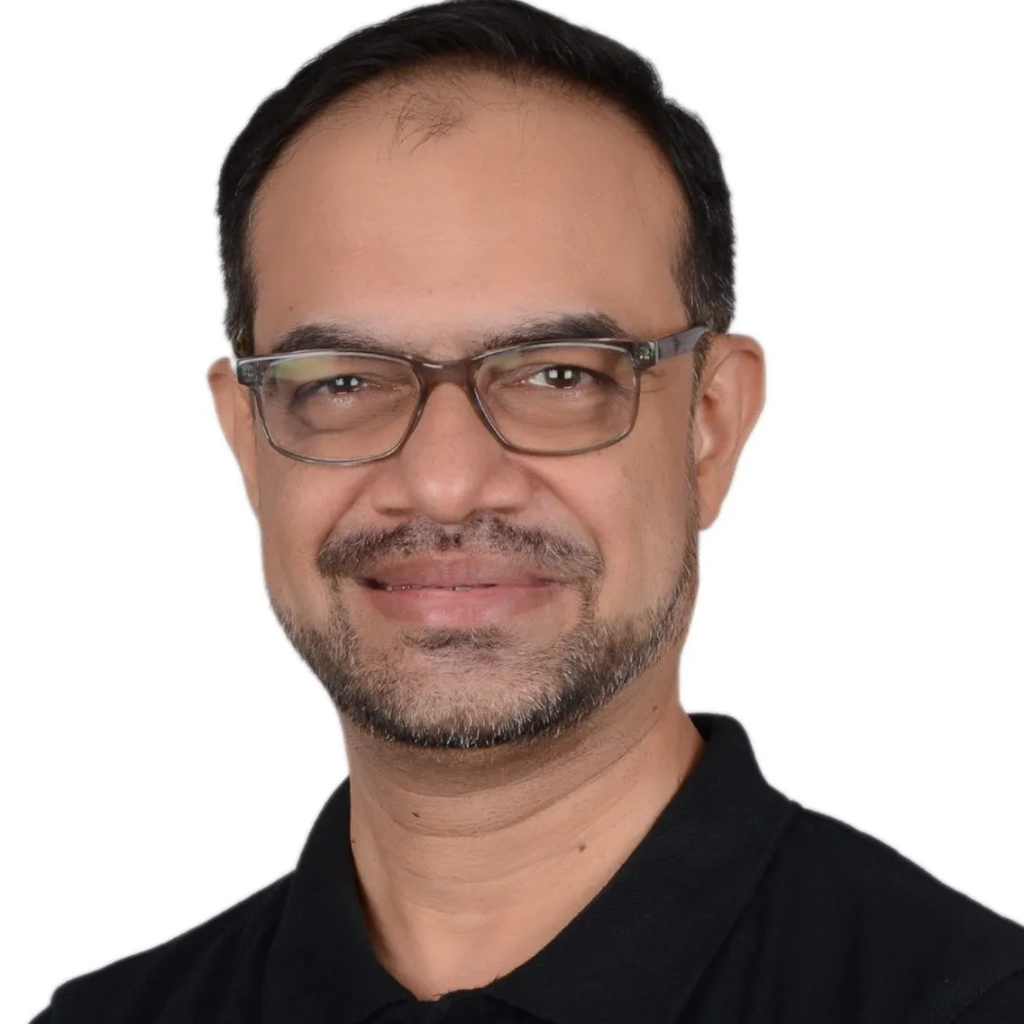
Dr. Amit Roy

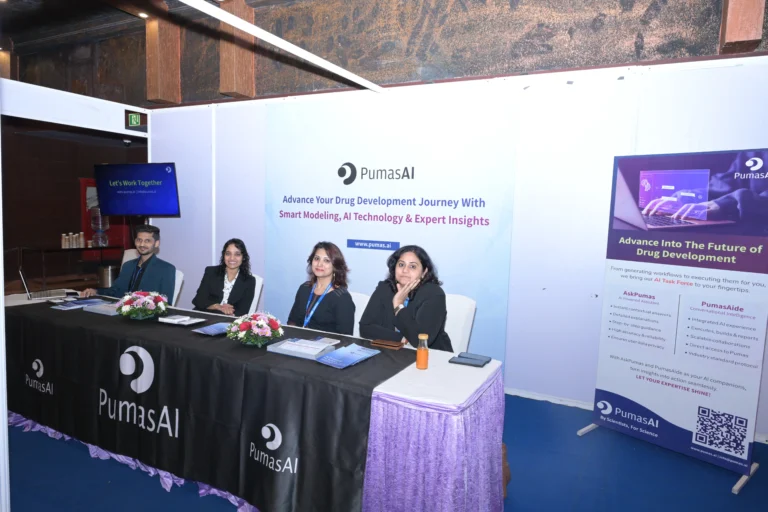
Vice President,​ Scientific & Strategic Consulting, PumasAI, USA

Impact of MIDD in Oncology

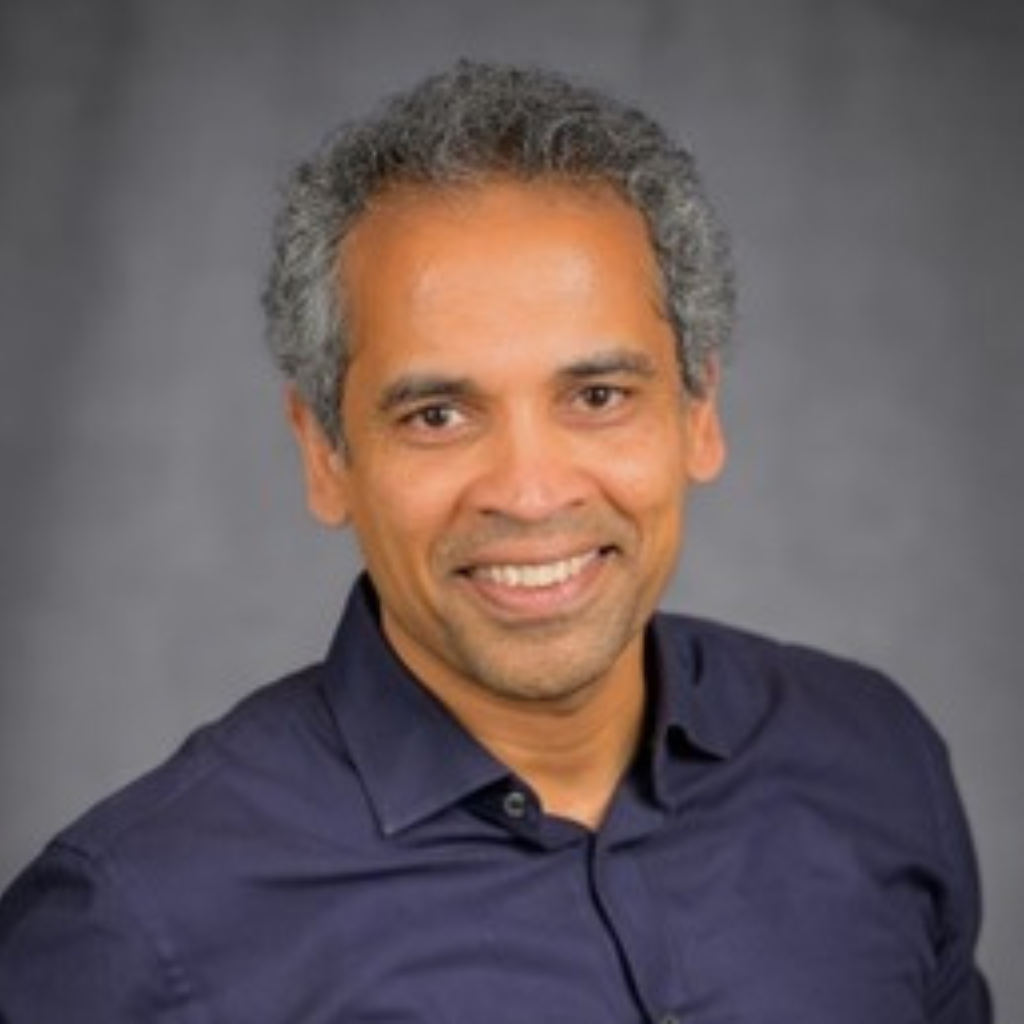
Dr. Mathangi Gopalakrishnan

Associate Professor, Center for Translational Medicine, University of Maryland School of Pharmacy, Baltimore, MD, USA

A Quantitative Framework to Assess Biomarkers as Surrogate Endpoints: Applications in Drug Development

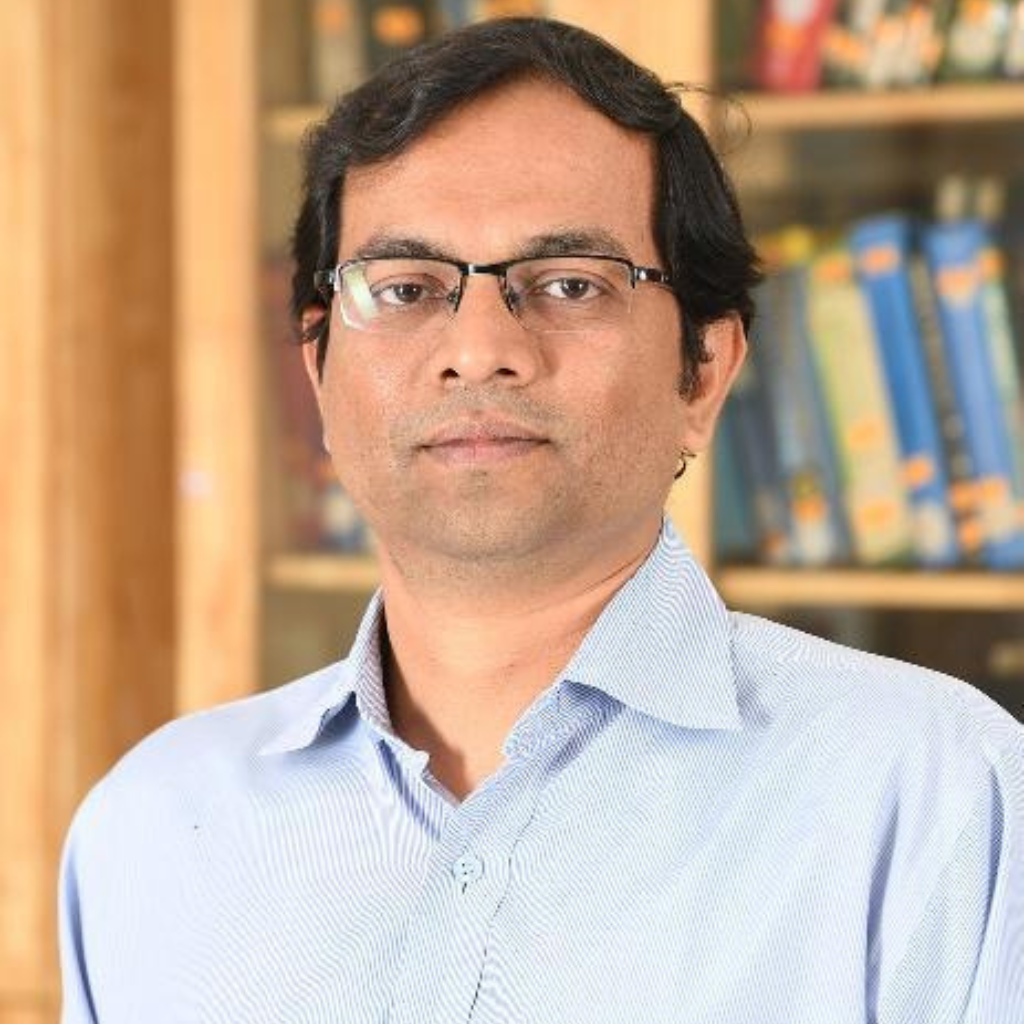
Prof. Narendra Dixit

Professor, Department of Chemical Engineering and Bioengineering, IISc, Bengaluru, Karnataka, India

Modelling How Early Treatment Initiation Improves Post-Treatment Control of HIV Infection

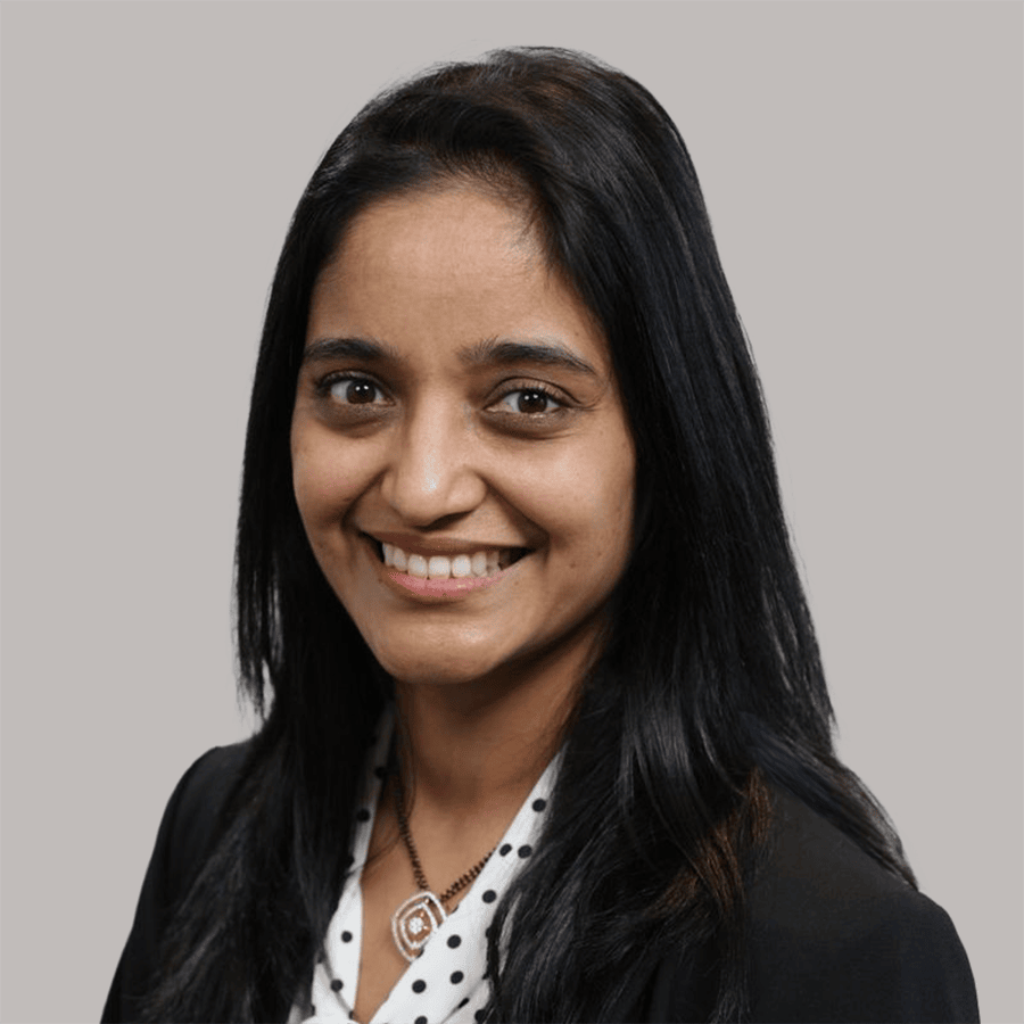
Dr. Dhanashri Gudi

Vice President, Business Development & Strategy, Pumas-AI, Inc., USA

Reimagining Pharmacometrics: From Analysis to Decision-Making

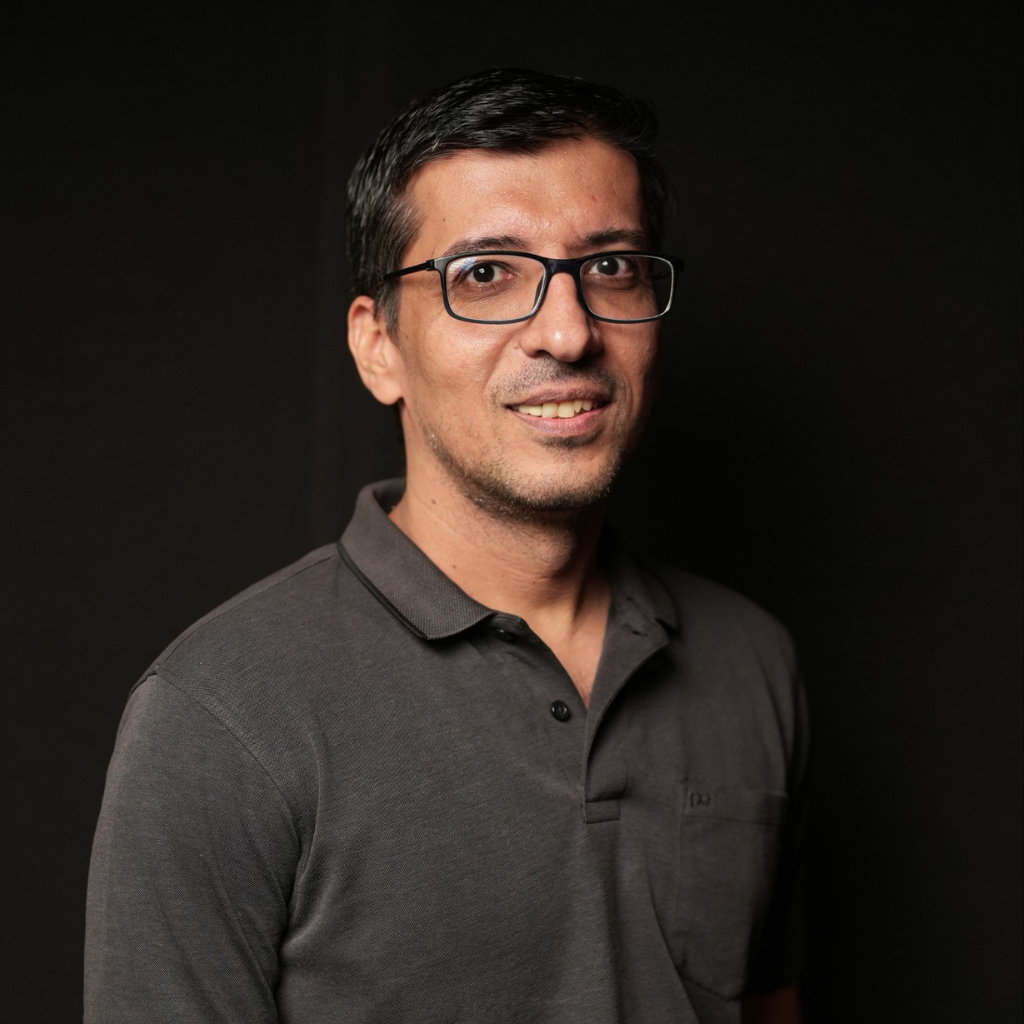
Dr. Sivacharan Kollipara

Head - Biopharmaceutics, Global Clinical Management, Dr. Reddy’s Laboratories Ltd, Hyderabad, Telangana, India

Dr. Suraj Bhansali

R&D Data Science & Head of India Country Operations, Certara, Hyderabad, Telangana, India

Dr. Rajkumar Boddu

Team Lead Biopharmaceutics, Global Clinical management group, Dr. Reddy’s Laboratories Limited, Hyderabad, Telangana, India

Harnessing PBBM & PBPK modelling for Next-Generation Generic Drug Development

Ms. Maitri Sanghavi

Research Scientist, SIMCYP, Certara, Hyderabad, Telangana, India

Optimising & Enhancing Drug Development Using Simcyp PBPK Simulator

Dr. Sheila Annie Peters

Executive Director, Boehringer Ingelheim, Germany.

Hypothesis Generation With PBPK to Identify Mechanisms Limiting Exposure of Orally Administered Drugs

Dr. Samarth Thakore

Principal Scientist II - PK Sciences, NIBR, Novartis, Hyderabad, Telangana, India

Physiologically-Based Pharmacokinetic Modelling: An Integral Component of Model-Informed Drug Development

Dr. Anant Ketkar

Principal Scientist and Scientific Lead - India, Simulations Plus, Inc

Physiologically Based IVIVC for Complex Formulations: Focus on Long-Acting Injectables

Dr. Bhairav Paleja

Principal Scientist, Vantage Research, Chennai, Tamil Nadu, India

Dr. Balaji Agoram

Senior Vice President, Arcus Biosciences, Brisbane, CA, USA

Prof. Krishna R. Devarakonda

Visiting and Adjunct Professor, Thomas J.Long School of Pharmacy, University of the Pacific Richmond, Tx, USA

Dr. Ramalingam Sankaran Commemoration Lecture: From Sheiner to Systems: Evolving Personalized Dosing in the Era of Precision Medicine

Dr. Kannan Thiagarajan

Principal Scientist, Vantage Research, Chennai, India

Does Progressive Disease Justify Discontinuation: A Simulation Analysis

Dr. Khamir Mehta

Senior Director, Clinical Pharmacology modelling and Simulation Department San Francisco, CA, USA

The Role of Mechanistic Models to Complement Pharmacometrics in Model-Informed Drug Development

Dr. Karthick Vishwanathan

Executive Director - Head CPQP Oncology, AstraZeneca Waltham Site Head Waltham, MA, USA

Novel modelling Approaches Towards Dose Optimization of TCEs

Recap

The International Conference on Pharmacometrics India (ICOP 2026) was a tremendous success, bringing together global thought leaders in drug development, clinical pharmacology, and healthcare data analytics. The event, hosted by SOPHAS in collaboration with the International Society of Pharmacometrics, Manipal Academy of Higher Education and Manipal College of Pharmaceutical Sciences (MCOPS), Manipal, has further solidified our commitment to driving innovation in quantitative sciences.

This year’s sessions focused on cutting-edge topics such as:

  • Quantitative Methods for Drug Development Decision
  • Quantitative Science in Generic and New Drug Development (Small Molecules)
  • Quantitative Sciences in Biologics, Biosimilars and New Modalities (Large Molecules)


SOPHAS continues to be at the forefront of advancing pharmacometrics, clinical pharmacology, and healthcare data analytics, with a mission to empower professionals globally. As we embrace emerging fields like machine learning applications, we remain committed to providing top-notch education and fostering collaboration across academia, industry, and regulatory bodies.

The energy, learning, and networking at ICOP 2026 have only reinforced the importance of this platform in the advancement of model-informed drug development. The journey doesn’t end here – stay tuned as we continue to develop impactful training programs, research initiatives, and global partnerships.

Gala Night

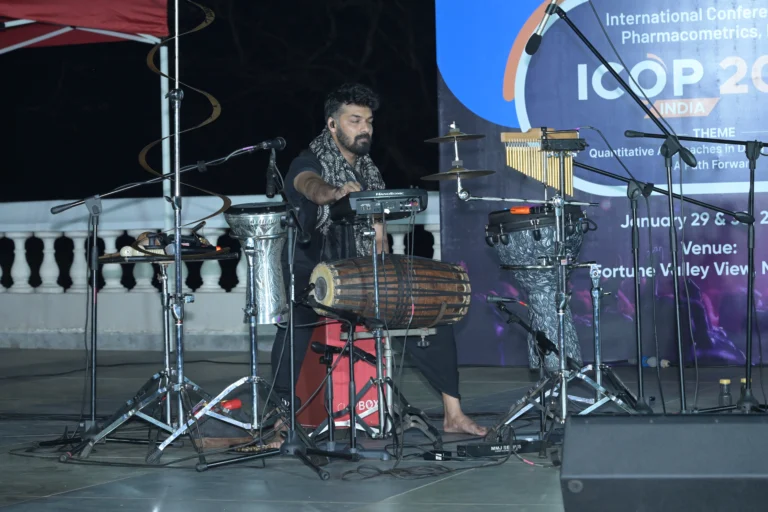
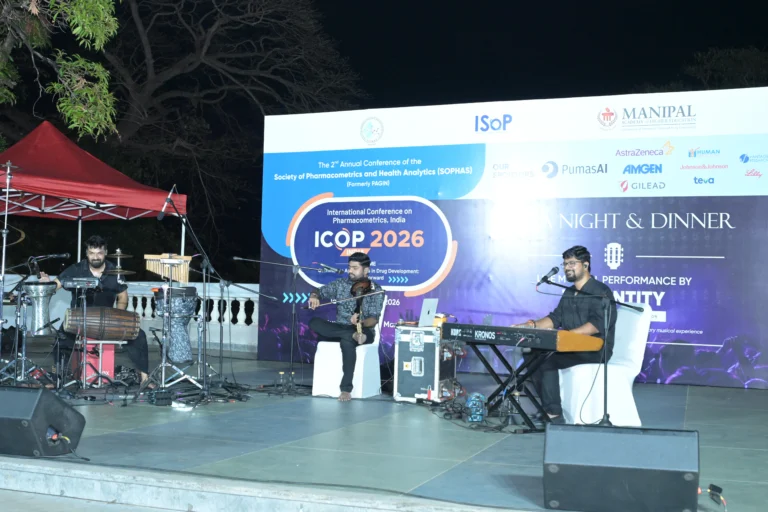
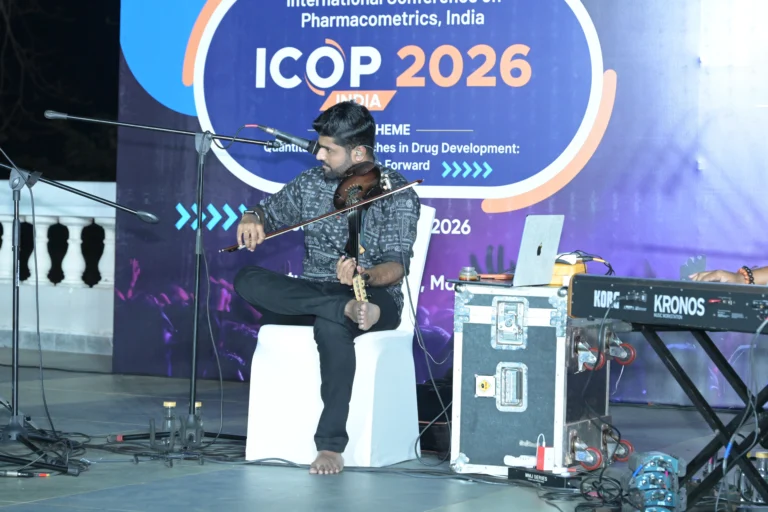
The Gala Night was a vibrant conclusion to ICOP 2026, featuring live musical performances by Tridentity, a three-piece ensemble showcasing violin, keyboard, and percussion.

Important Dates

October 01, 2024

January 05, 2025

December 25, 2024

January 15, 2025

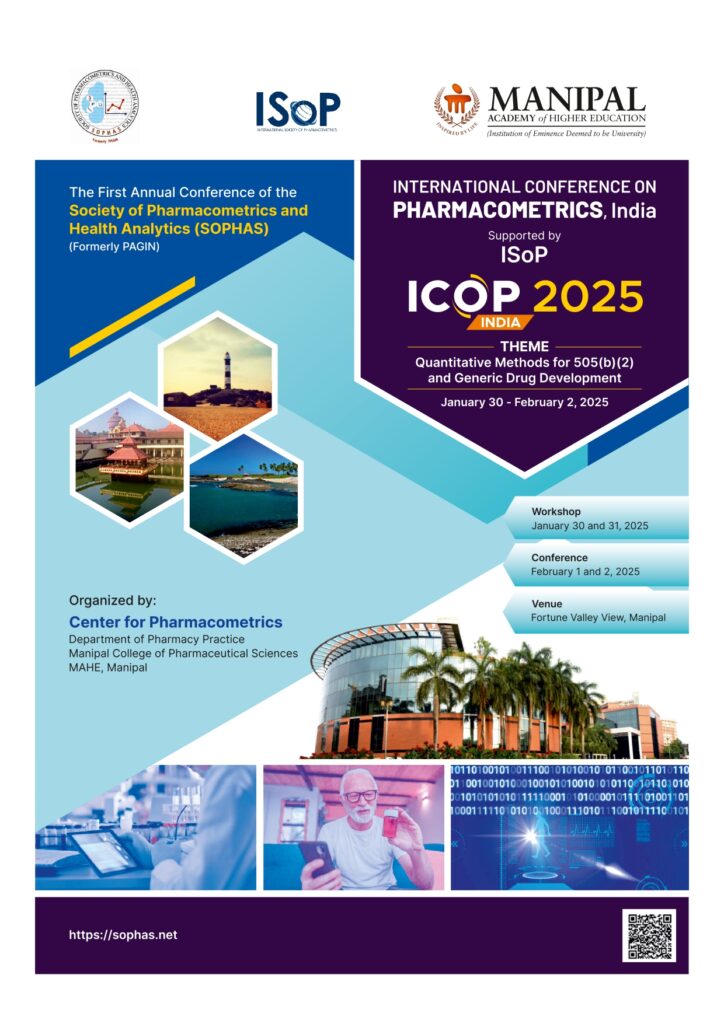
January 30 & 31, 2025

February 01 & 02, 2025

Sponsors

Diamond Partner

Gold Partners

Silver Partners

Student Travel Support

Community Support

Join us for ICoP India 2027

Registration Fee Details

Indian Registrations ( INR )

Early Bird (Till Dec 24 2024)
Late Registration (Dec 25 to Jan 15)
Students/Trainees
6000
7000
Academia
7000
8000
Industry
12000
14000

International Registrations ( USD )

Early Bird (Till Dec 24 2024)
Late Registration (Dec 25 to Jan 15)
Students/Trainees
125
150
Academia
150
200
Industry
250
300

Pre-conference workshop during ICOP-India 2025

Accommodation Details

ICOP 2025 Abstract Submission Guidelines

Original research work from following areas will be accepted

  1. Quantitative approaches in drug development
  2. PKPD models
  3. Clinical Pharmacometrics
  4. Methodological studies
  5. PBPK modeling for drug drug interactions
  6. PBBM absorption modeling
  7. Bioequivalence risk assessments using modeling approaches
  8. Biostudy waivers using novel modeling approaches


Author:

Please provide information on all the authors with their affiliations and email id for corresponding author. The presenting author should be underlined. The same author list will appear in the abstract book.

Language:

All abstracts must be in English

Abstract Body:

The work published in previous national or international meetings or journals will not be accepted. The abstract should contain the statement on hypothesis or objective, the methods used, results and conclusion. The font of text should be Times New Roman with 12 font size. Abstract text should be typed single-spaced and with maximum 300 words. Type the text as one paragraph. All references included in the abstract should be numbered and accompanied by the full citation, including authors names, title, journal name, volume, number, inclusive paging, and year of publication

Abstract Submission Form

Personal Information
Contact Information